What role does UX design play in a more sustainable future?
Very good question! Thanks for asking.
I've been asking myself the same thing for a while now. And after having completed my internship with Panter and now working with them as a UX consultant - things have become a bit clearer.
In this case study, I'll introduce you to what Panter is, what we're trying to achieve, how we've approached the challenge, and the work I've contributed with so far.
But before we dive in, let's explore:
The Problem
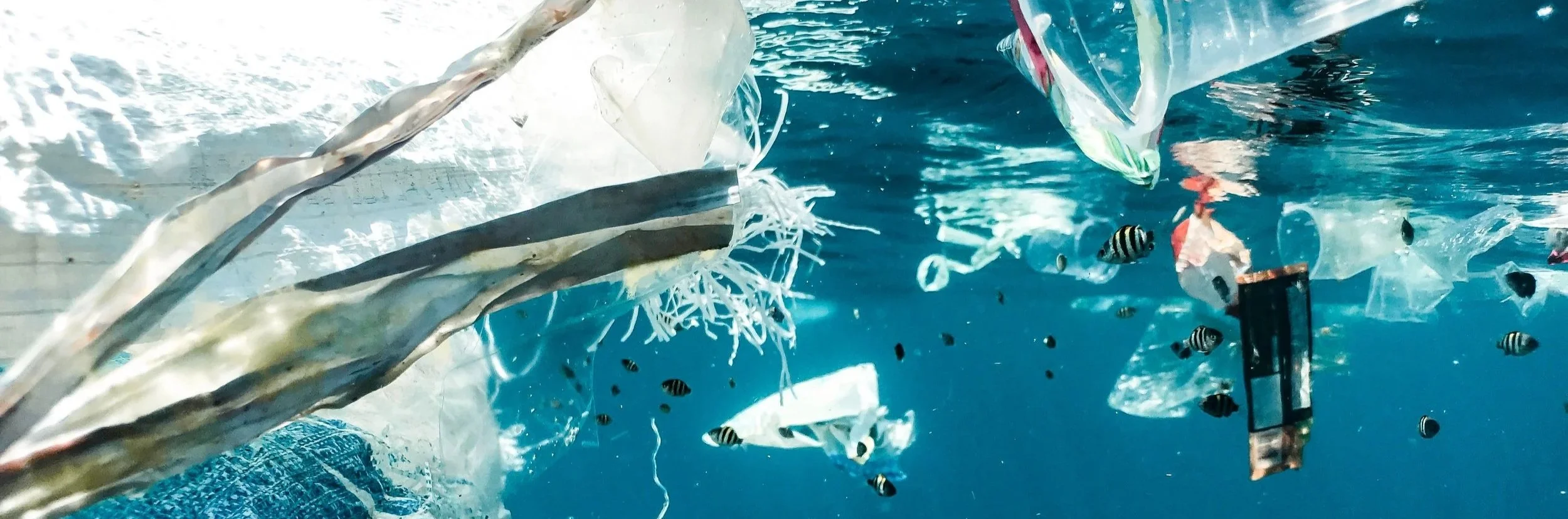
Every day, millions of takeaway cups and food containers are used once and then thrown away. Might seem insignificant for one person at one occasion. But when millions of people make the same choice every day, the impact becomes impossible to ignore.
I mean, I do it myself — when I want a coffee, I just want a coffee. And I want it now, without thinking about the absurdity of the fact that I'll throw the cup I just got into the bin five minutes later.
Habits are very hard to change, and even more so if the alternative is less convenient than what we're accustomed to.
So the question then becomes:
How might we make sustainable choices easier, more rewarding and naturally a part of everyday life?
Another hard nut to crack… But here’s our way of addressing it:
?
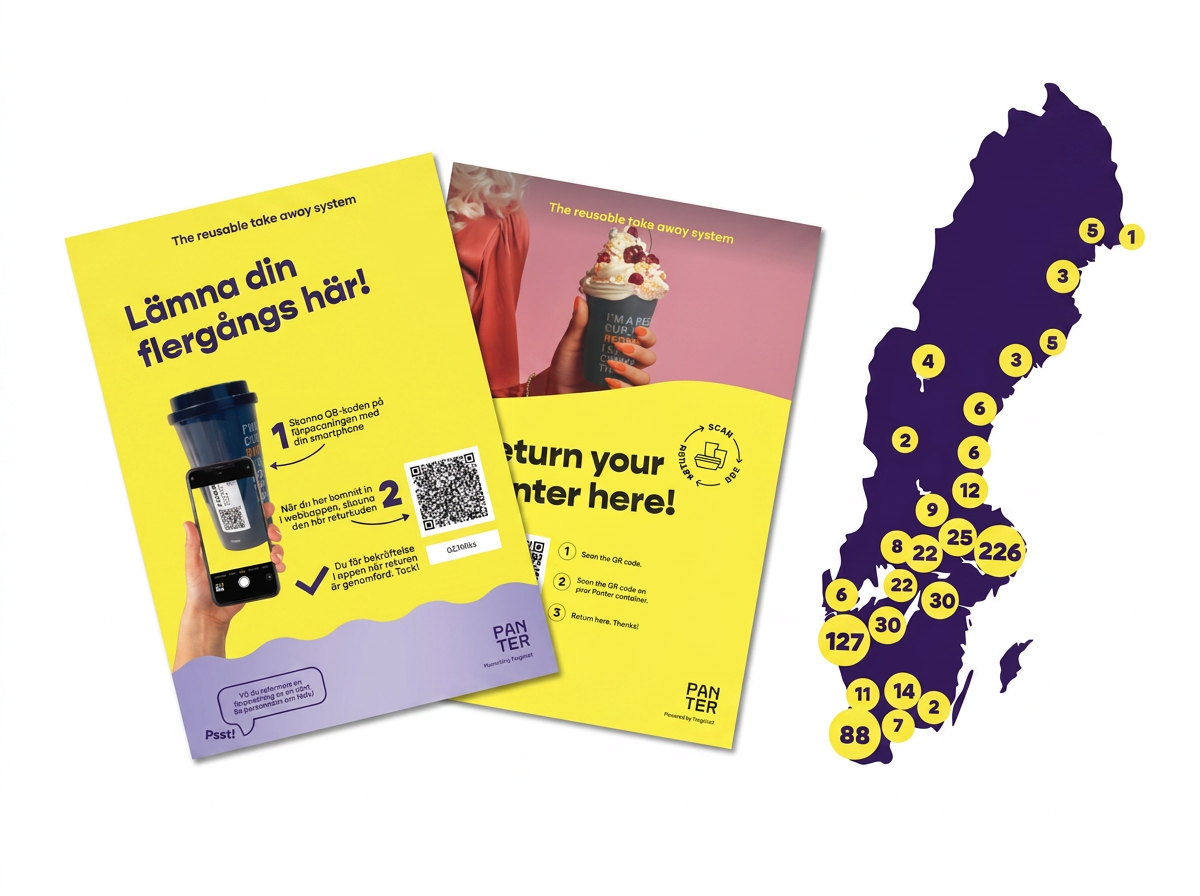
Panter is a Swedish startup providing a circular system for reusable takeaway packaging.
Instead of receiving a disposable cup or container, customers borrow a reusable one through our app — completely free of charge — and simply return it later.
The vision is simple:
Make the sustainable choice the easiest choice.

So…
What did you do?
I joined Panter as a UX Design intern in April, and after completing my internship I’m now continuing to work with the team as a freelance UX Consultant.
Together with another UX student, a marketing and communication student, the founders and the development team, I explored, and continue to explore, how UX could help people choose reusable packaging over disposable alternative.
Where did you start?
Before opening Figma and creating beautiful buttons (I do love a good button), we needed to understand the habits, conditions and structures behind the problem.
My first task was to understand Panter's vision, product goals and the challenges we wanted to solve. Together, we created a plan for the UX process that would guide the coming months of development.

And then? research?
Quite right!
Following the plan, we began with quantitative research through surveys targeting different user groups.
After that we conducted qualitative interviews to better understand behaviours, motivations and barriers surrounding our model of reusability.
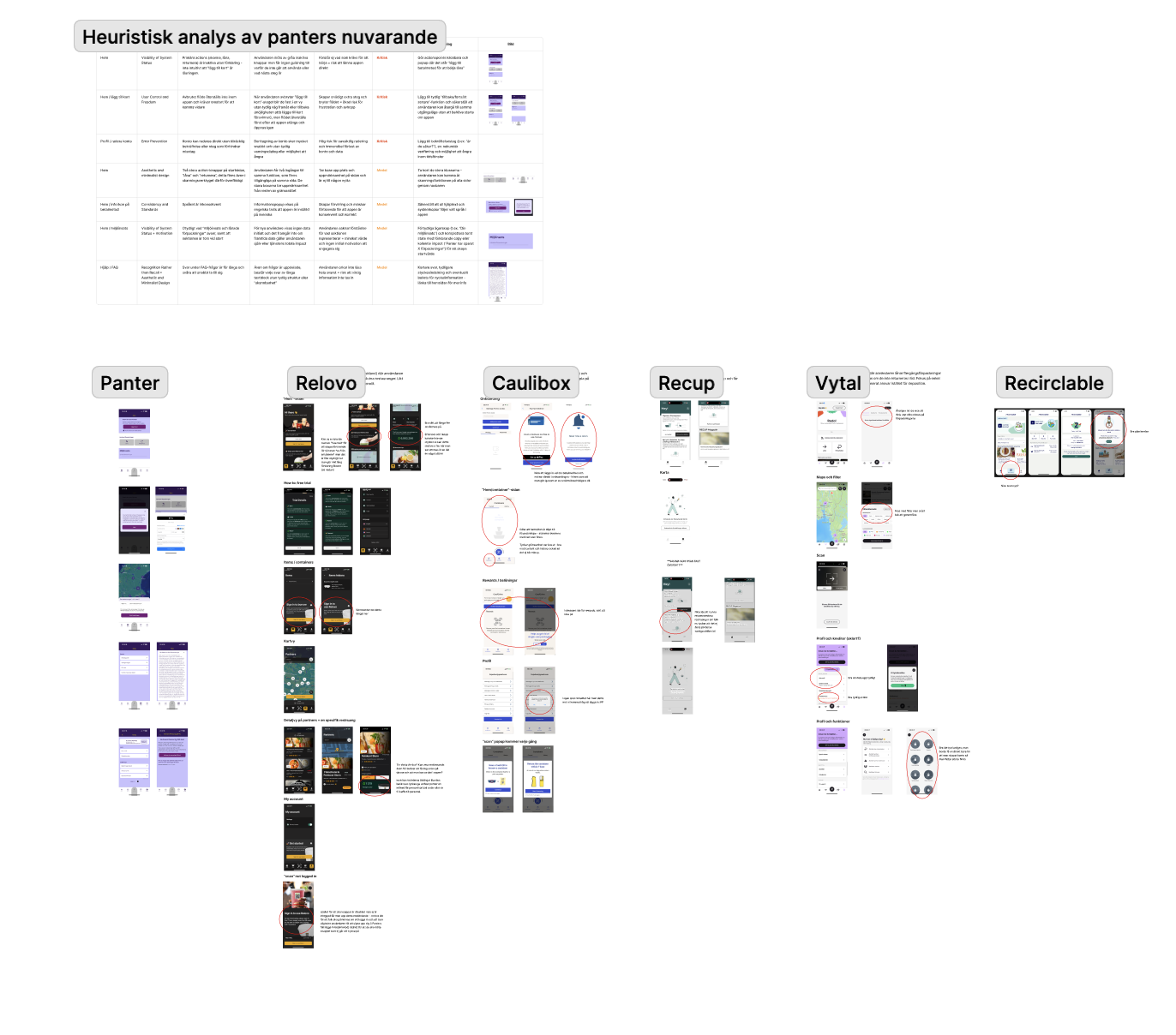
At the same time, we also analysed our competitors to see what works for other companies in different parts of the world.
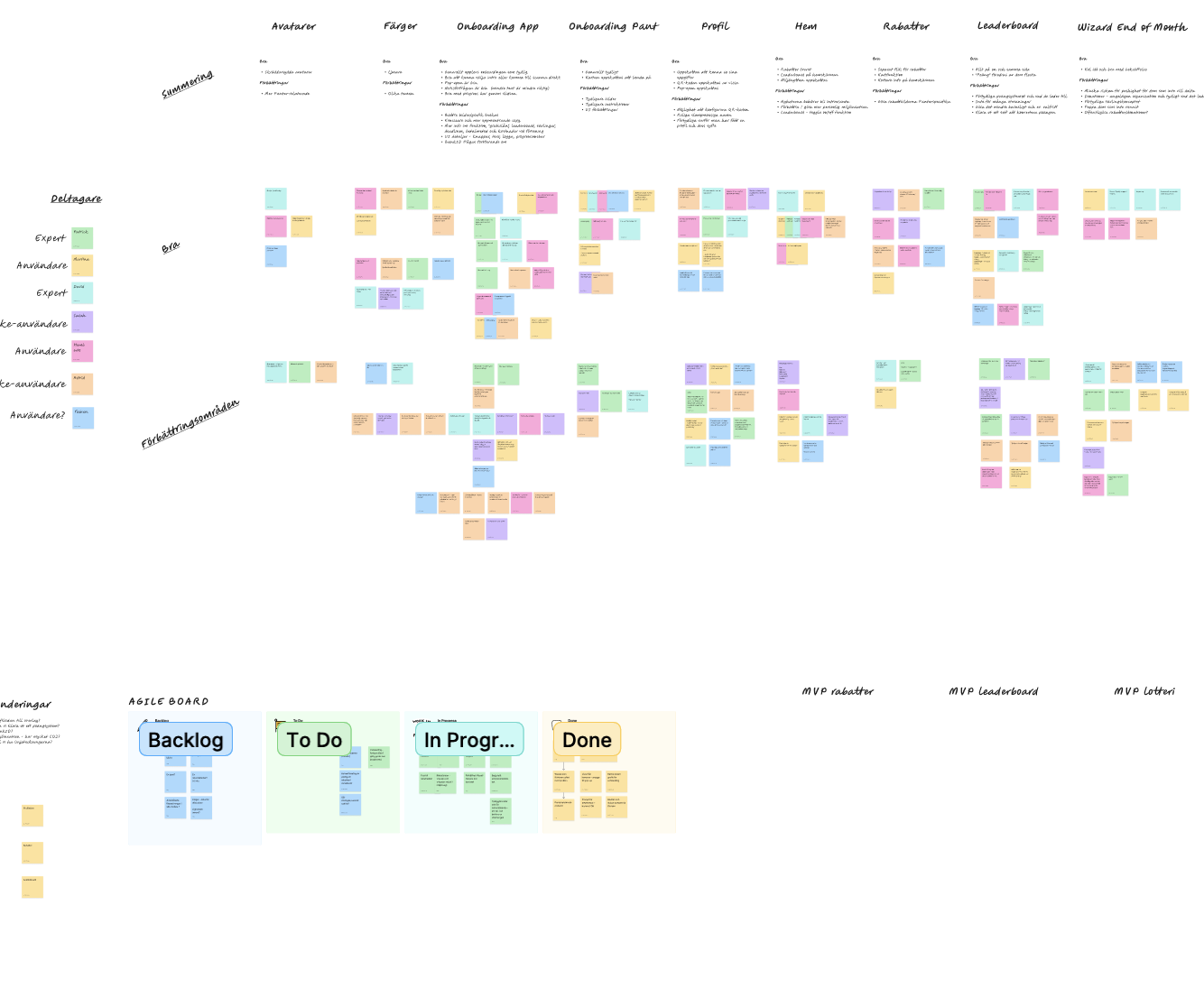
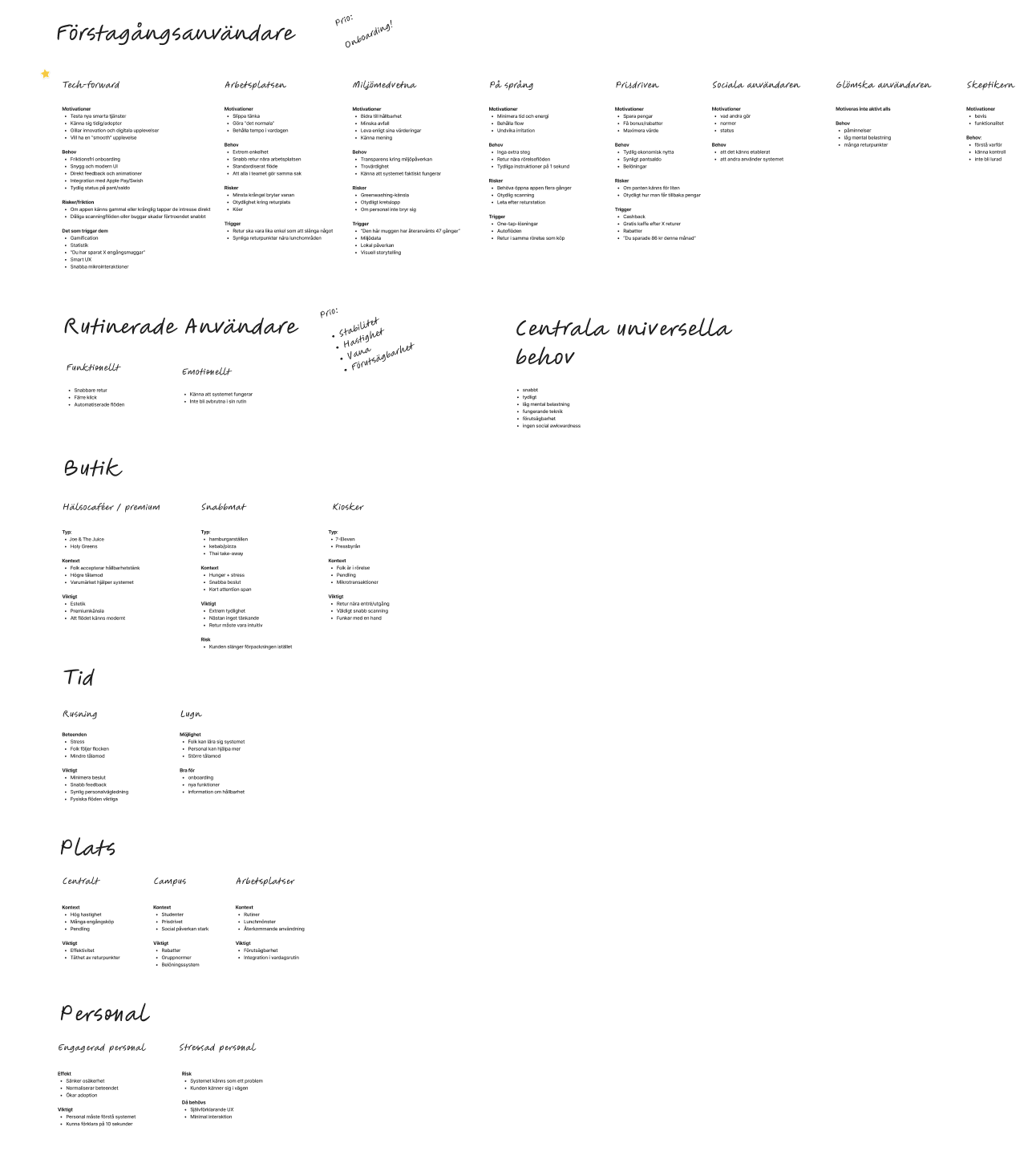
After analysing our findings, we identified key insights around convenience, motivation, habits and what could inspire users to return and continue using reusable packaging.

Any interesting findings?
Plenty of them! Some confirmed what we already suspected, while others came as a surprise.
The biggest challenge of the entire project (so far) emerged during this stage. According to our research, there was little interest in certain aspects that the stakeholders were particularly keen to pursue.
Why? Perhaps the user groups we targeted were biased. Perhaps the concepts were still too vague at this stage. Or perhaps they were simply too complex to grasp without more developed visual designs to communicate them effectively.
So, what were we to do?
A big part of my role as a UX Designer is balancing the founders' vision with the needs of the users. Dropping the concepts wasn't the answer. Instead, we adapted our plan to include further research once we had developed the visual designs further, allowing participants to better understand and evaluate the proposed concepts.

Okay…
but what about the design?
Finally - buttons! (and more…)
Based on our research, we began transforming insights into visual ideas and prototypes.
We started with low-fidelity wireframes to quickly explore different concepts, user flows and possible solutions. These prototypes were tested with users, allowing us to understand what worked, what created confusion and what had the potential to encourage behavioural change.
After several iterations, we moved into high-fidelity prototypes where we refined the app experience, improved consistency across the interface, updated the Figma design system and collaborated closely with the development team to support implementation.
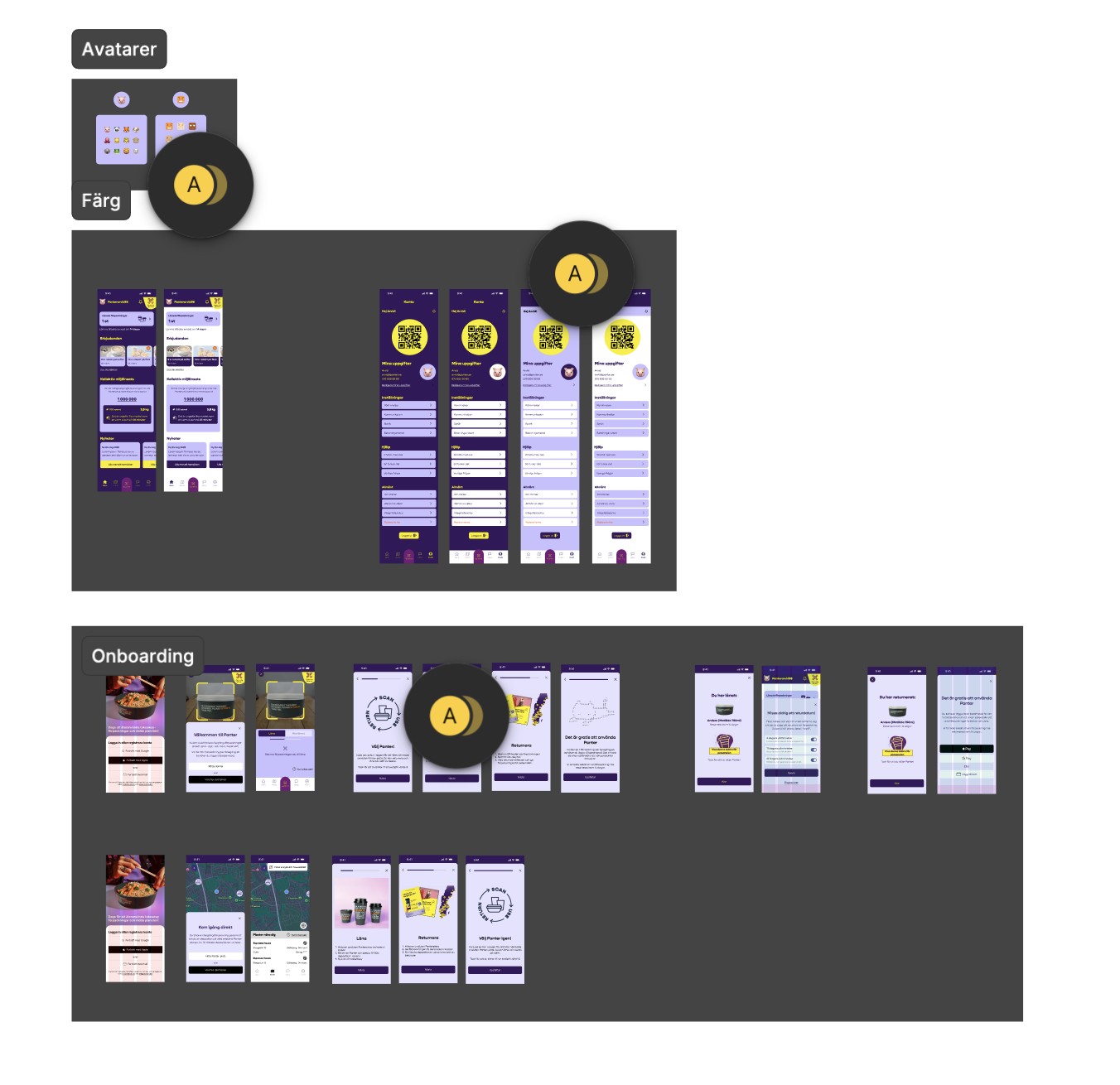
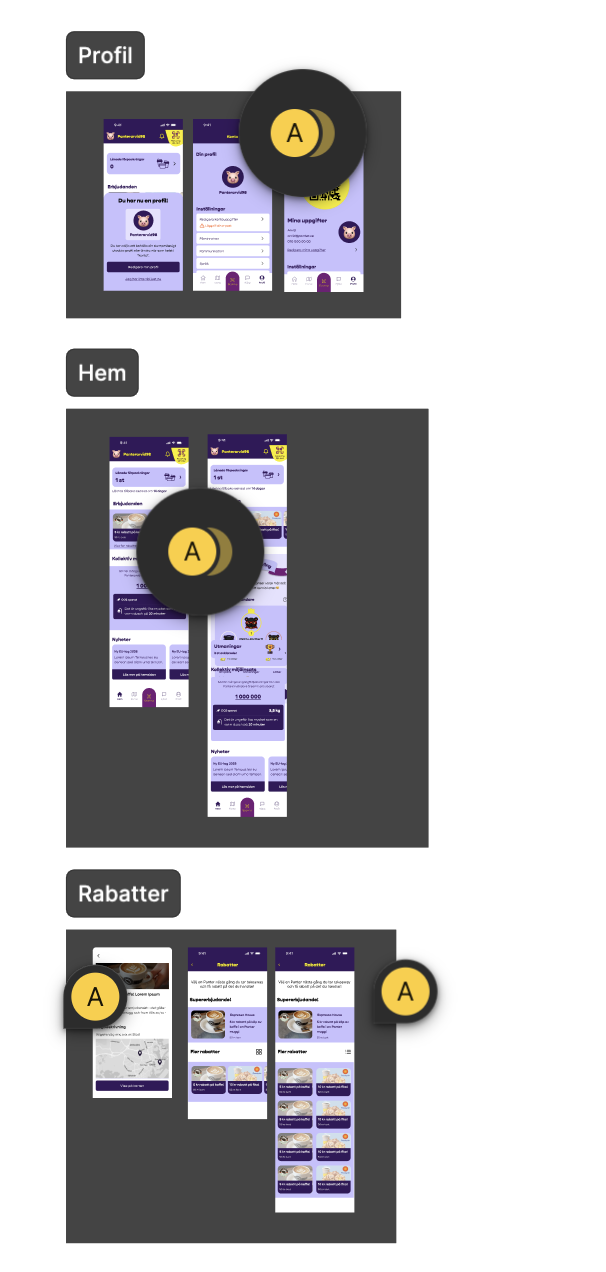
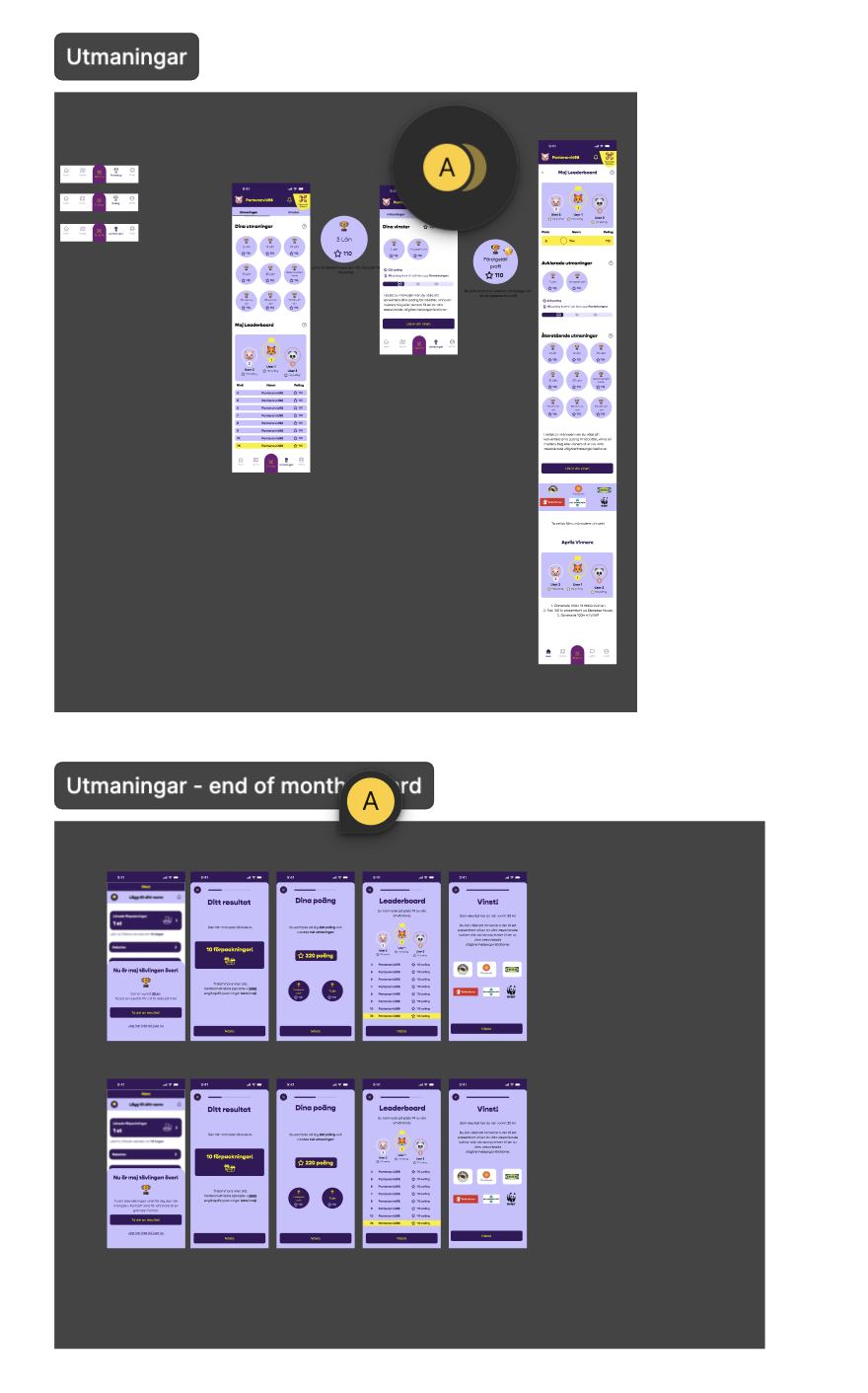
This was hard! I’ve never had to deliver a Figma animation to a developer before - and that turned out to be a lot trickier than expected. But, after communication and collaboration we managed to set all the animations for the app.
What kind of concepts did you explore?
So given that the biggest part of the project was to exploring how UX could encourage long-term sustainable habits, hence we investigated several different approaches:
Rewards and discounts
Stronger sense of community
Gamification and challenges
Environmental impact visualisation
New incentive systems
Alternative borrowing experiences that could work without relying on an app
The challenge wasn't only designing an interface—it was designing an experience that could help change everyday behaviour.

And now? What’s next?
What started as a seemingly small UX project quickly became something much bigger.
Creating sustainable behaviour is a complex challenge. It requires understanding people, balancing business goals, working with technology and designing experiences that fit naturally into everyday life. Luckily, complex problems are usually the interesting ones.
Because of the scope and potential of the project, I was invited to continue working with Panter as a freelance UX Consultant after my internship.
But what about the final designs?!
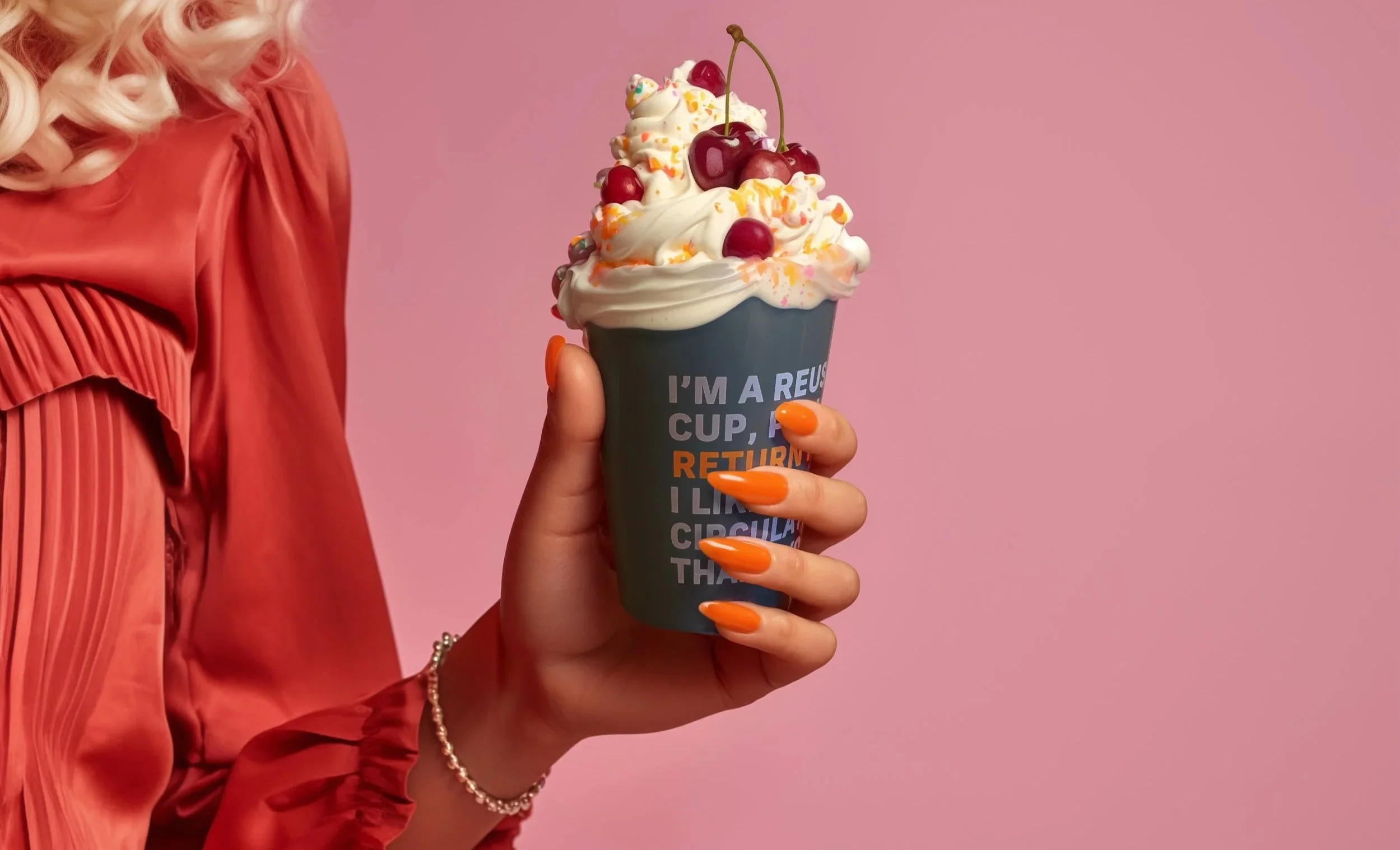
For these you’ll have to stay tuned! Panter is still actively developing the product, and many concepts are currently being explored and refined. Due to confidentiality, I can't share the complete design process, Figma files or final solutions just yet.
This case study will continue to grow alongside the product.
Stay tuned. More to come.
Now, one final question for you:
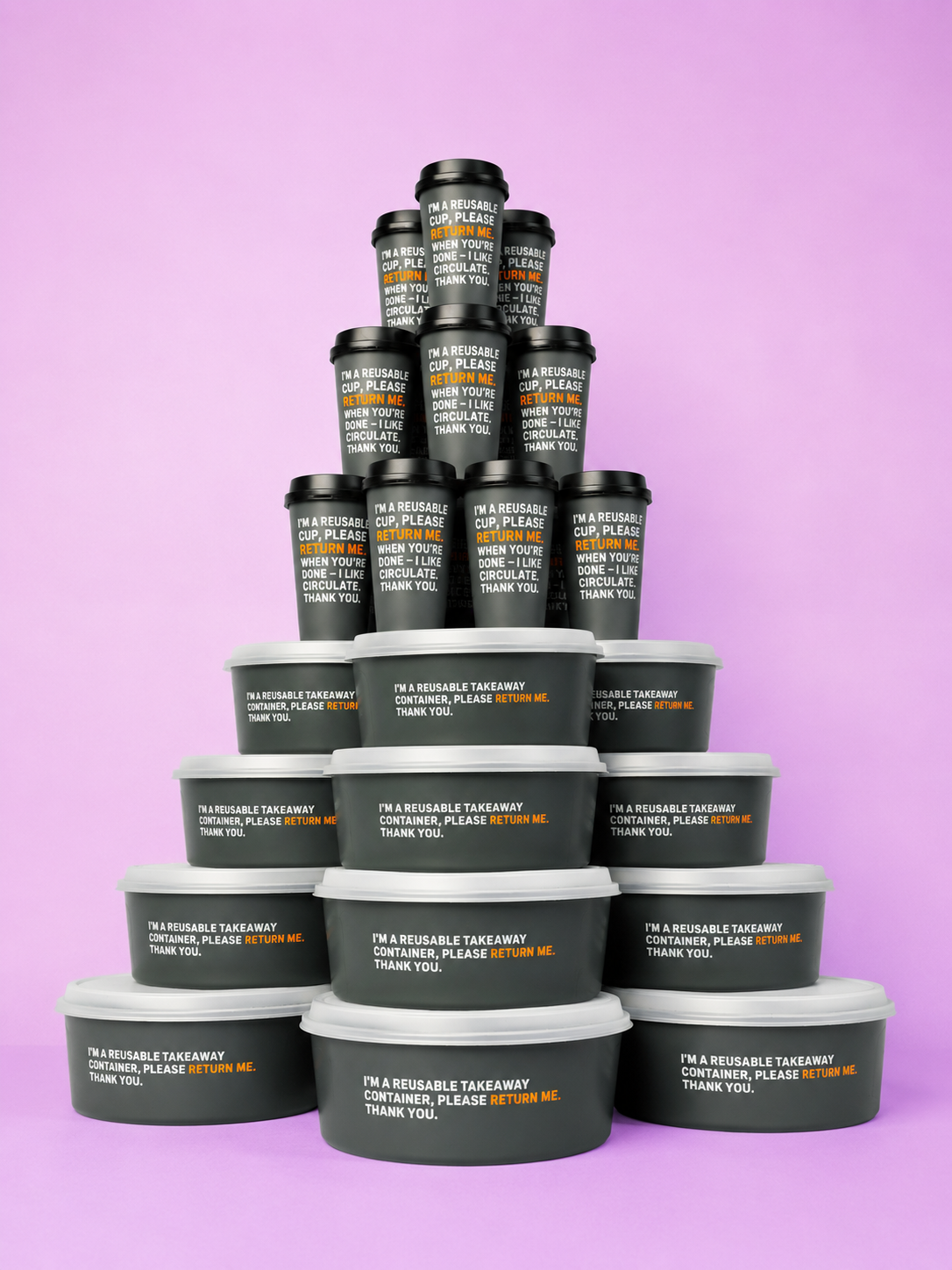
The next time you buy a takeaway coffee or lunch
Would you dare to use a reusable container instead of a disposable one?
Last updated: 3.8.26